

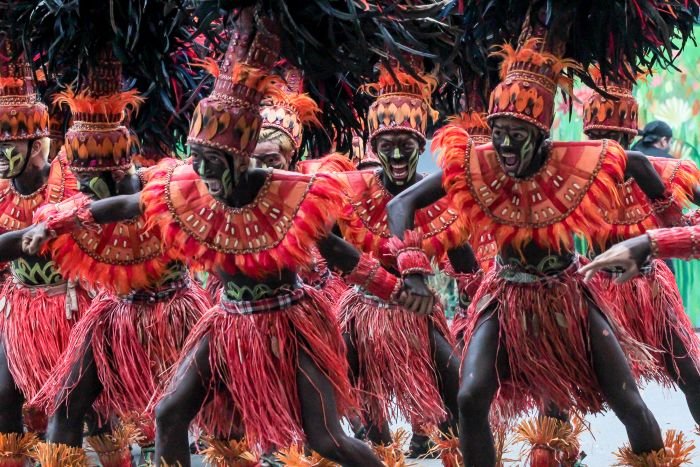
Domestic leisure travel doesn’t only afford us much-needed R&R. Although that in itself is rewarding enough, traveling also offers us plenty of opportunities for discovery and rediscovery that delight and inspire, educate and reset our thinking, widen our perspectives and perhaps even move us to action as we begin to understand, take pride in, and better appreciate our very own established and hidden tourism gems.
As the Philippine Travel Mart, the country’s longest-running travel trade exhibition and consumer fair primarily focused on promoting domestic tourism and showcasing emerging travel destinations across the Philippines, celebrates its 37th year this September, two key opinion leaders and tourism industry stalwarts—Natalie Lim, a seasoned hotelier and tourism advocate, and Melo Villareal, a veteran travel and lifestyle journalist—share with us their thoughts on the topic “discovery.”
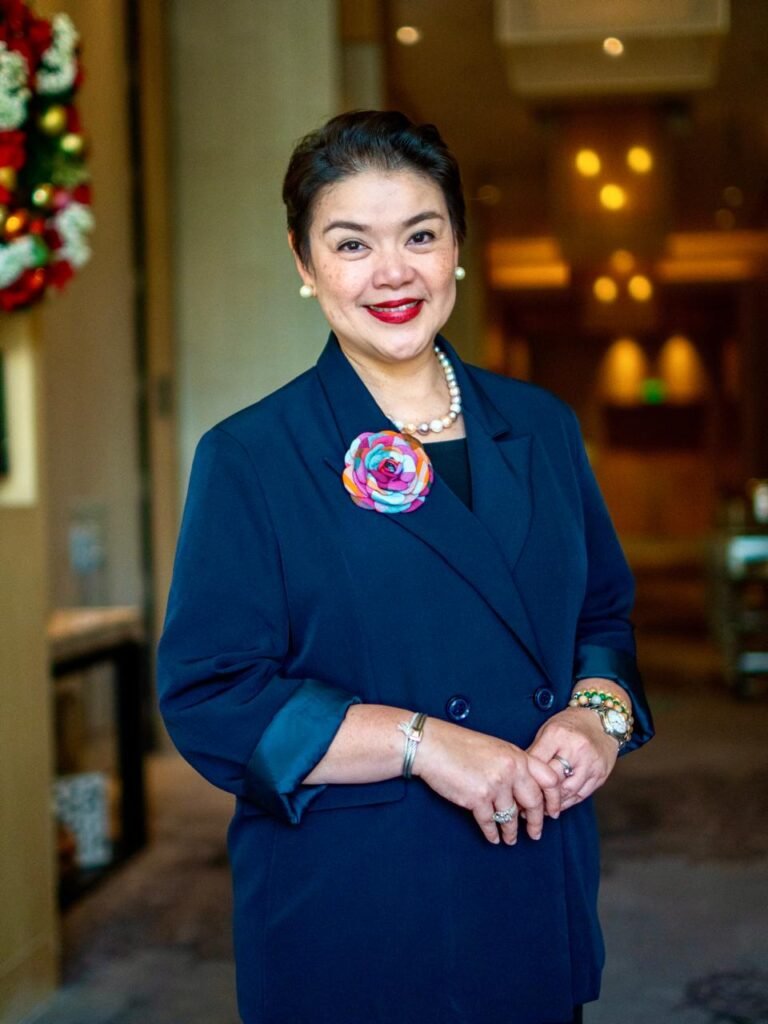
“Discovery for me is learning about new things,” says Lim, General Manager of Courtyard by Marriott Iloilo. “As a foodie, I always associate everything with food.”

Lim, a Manileña but a long-time Iloilo resident, has had a long-standing love affair with the province ever since she first visited it and discovered its charming and wide-ranging attractions decades ago. So much so that she has become an adopted daughter of Iloilo City. Beyond her profession as a hotelier, she has embraced tourism promotion of Iloilo and Guimaras as one of her advocacies.
‘City of gastronomy’
As a United Nations Educational, Scientific and Cultural Organization or UNESCO “creative city of gastronomy,” the only one in the Philippines to be declared as such, Iloilo City has been known here and abroad for such iconic dishes as La Paz Batchoy, Pancit Molo and Kadyos, Baboy at Langka, or more popularly known by its acronym KBL, to name a few.
“These dishes are heavily influenced by the Chinese and the Spanish,” says Lim, who’s also the chair of Iloilo MICE Alliance. The first two dishes, both of which are noodle-based soups, derive their name from two districts in Iloilo, La Paz and Molo, respectively, where they are believed to have originated. KBL is made from kadyos or pigeon pea, which is endemic to Western Visayas, pork and pieces of unripe jackfruit.
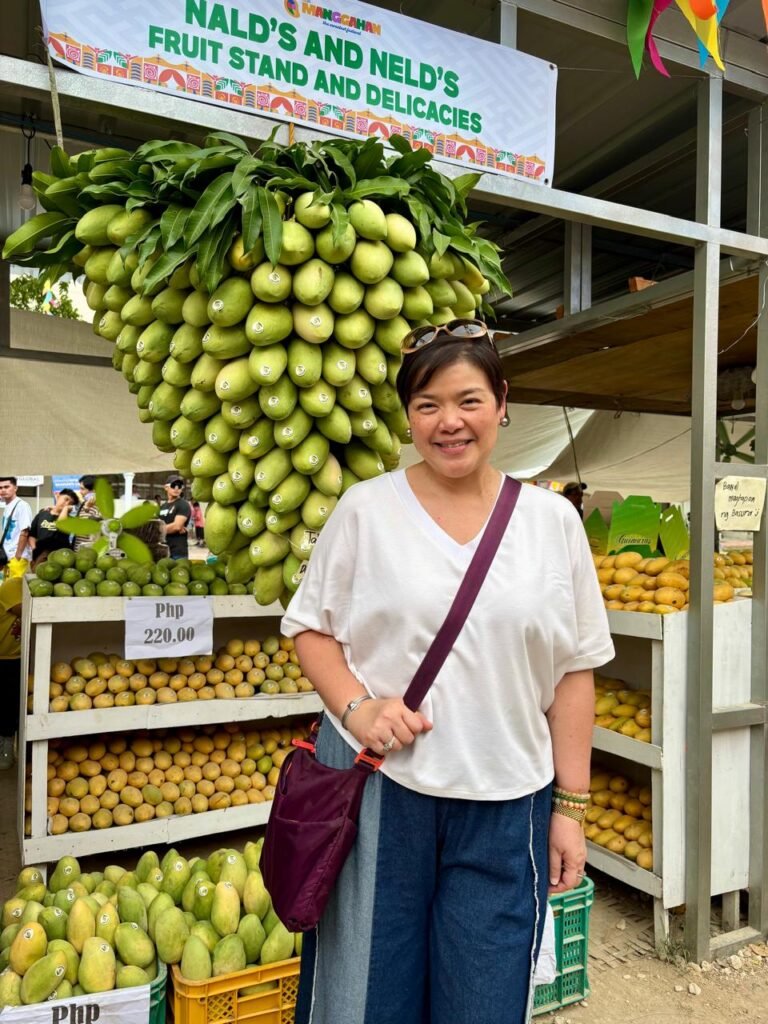
“Our food is our source of pride, and it is not a best-kept secret because everyone knows about it,” says Lim, recalling the time she first learned about batuan, a souring agent widely used in the Visayas, and tul-tul, salt mixed with coconut milk and sold in solidified blocks in Guimaras.
And even if none of the city’s restaurants earned a Michelin rating, Lim and her friends in Iloilo’s hospitality and tourism circles say they “understand.” “They (Michelin) didn’t go here, which probably explains it. We’re not mad because Ilonggos don’t get mad. And during rare times that we do, you will hardly feel it,” says Lim in jest.
Villareal, who, apart from writing travel stories in his blog dubbed “Out of Town,” contributes to various media outlets, echoes Lim’s thoughts on food and heritage. If he were to zero in on two cities in the country which continue to resonate with him even after repeated visits, he cites Baguio and, yes, Iloilo.
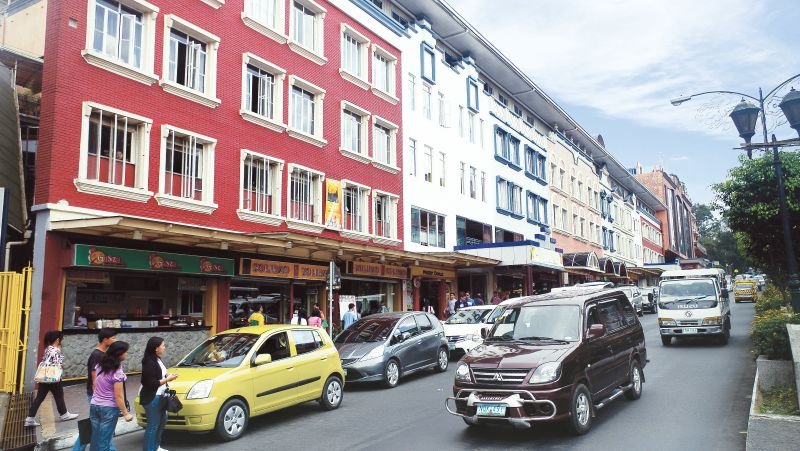
“Baguio has everything going for it: folk arts, food and the pleasant weather. And since it’s in the Cordillera region, it is a melting pot of people, cultures and cuisines. And those flowers during Panagbenga never get old,” he says.
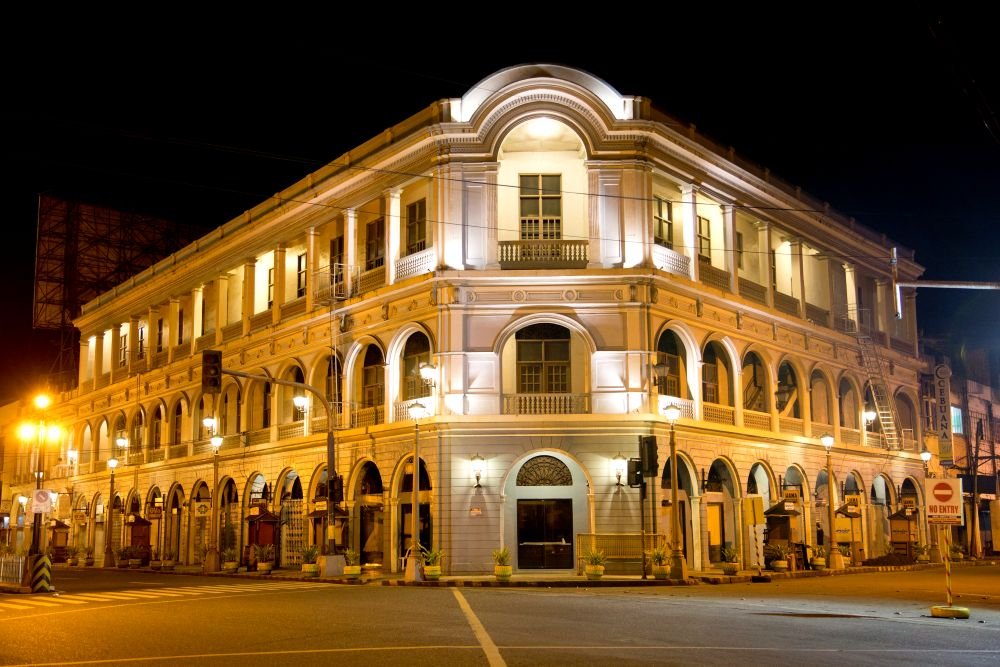
Relaxed, peaceful vibe
As for Iloilo City, Villareal swears that there’s something about the place and perhaps a good part of the province itself that “makes me [feel] relaxed, makes me hopeful.”
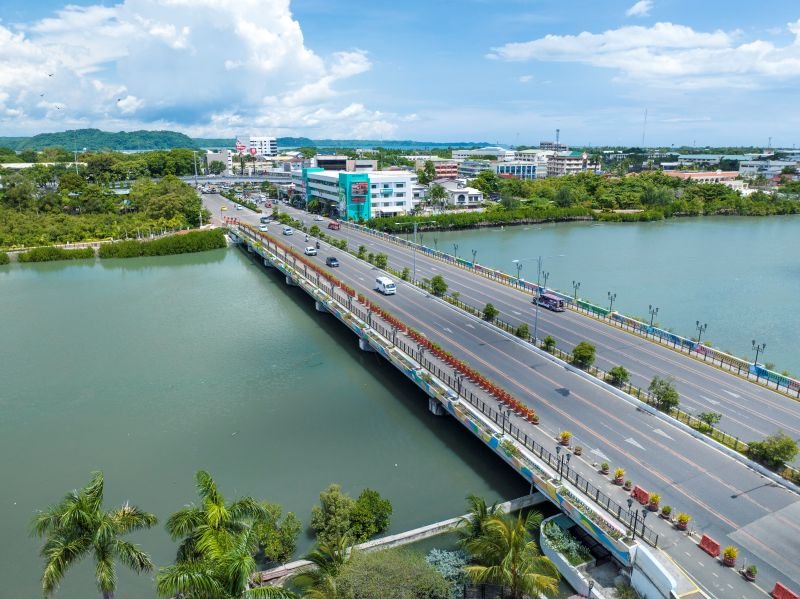
“Whenever I’m in Iloilo [City], I always end up saying to myself I hope other cities in the Philippines are like this,” he says, referring to how clean, orderly and relatively walkable and peaceful it has become. “When I see how clean the Iloilo River is, I’m reminded of Pasig [River], wishing it would become as clean as Iloilo [River].”
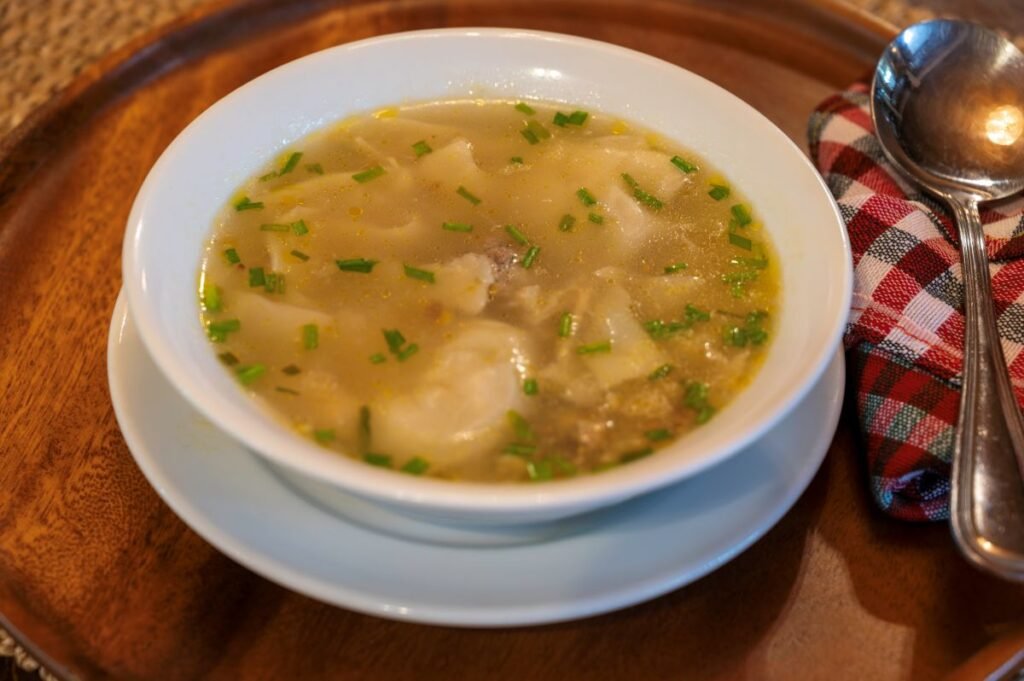
And since he’s a big fan of batchoy, Villareal always discovers something new, either in the technique used or variations in its ingredients, about the dish, depending on where he eats it.
“Different shops and restaurants have their respective take on it, which, for me, is exciting. I also find Iloilo’s pastries unique and interesting. I love the side-street Iloilo bibingka. There’s also this pastry called teren-teren, which, as its name implies, reminds you of a train because of its shape,” he shares.
And lest he be accused of always getting the royal treatment by virtue of his status as a popular travel writer, Villareal points out that he has been to Iloilo many times either on coverage or on personal trips.
“And I still love going there either way,” he says.
You may not share Lim and Villareal’s top choices, but whatever your favorite Philippine destinations are, there’s a need to visit and support these places that goes beyond income generation.
“If we stop visiting and supporting these places, we lose part of our identity as a people,” says Lim. “With more than 7,000 islands making up the Philippines, I think almost every city and municipality has something unique to share. If we sacrifice that aspect to cater to what’s Western, what’s in, what’s homogenous, that uniqueness will be lost.”
For his part, Villareal encourages local tourists to dive deeper, so to speak, whenever visiting a Philippine destination, especially for the first time. “We should give people living in these places a stake in their own future by, say, patronizing their products and works of art. Instead of going DIY, for example, let’s hire local tour guides. Not only do we get a deeper and more accurate understanding of the place and its culture and attractions, but we also provide people living there with employment.”
Buying local
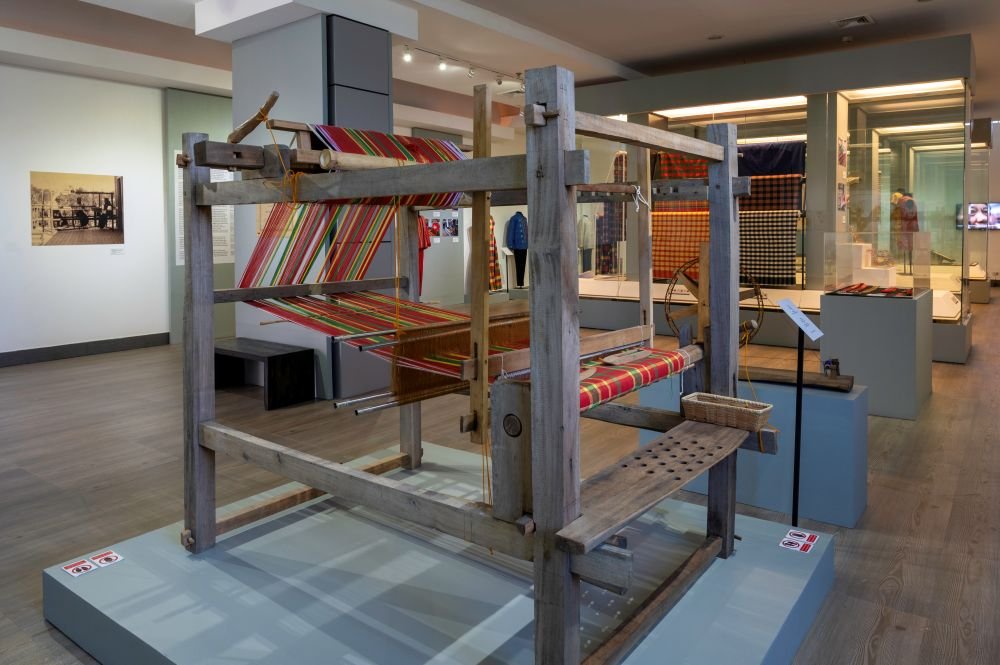
Whenever the opportunity allows, Villareal, for instance, has made it a habit during provincial trips to buy beautiful and labor-intensive woven fabrics made by tribespeople. He then goes to a tailor at Kamuning Market and has these artisanal fabrics fashioned into articles of clothing.
“That takes care of events here in Metro Manila that require me to wear Filipino attire,” he says.
And these advocates walk the talk. Lim, for instance, actively supports Iloilo’s Living Heritage Museum Tour organized by the city’s Heritage Council. It’s no ordinary walking tour, as participants dress up in period costumes, depending on the theme, as they walk and ride from one heritage spot to another. Just recently, Lim joined tourists dressed in Commonwealth era-inspired attire on, well, a Commonwealth-themed tour of the city. A few weeks ago, they did a Spanish era-themed heritage tour.
“What’s nice about Iloilo is it’s a walkable city,” says Lim. To give tourists a sense of accomplishment, they’re each given a “passport” where they could have it stamped at every stop.
And to make it truly immersive, the tours include stops where participants can sample a curated set of cuisines that were prevalent during a specific period in the city’s history.
Speaking of food, Lim is also able to promote pride of place among Ilonggos through the Culinaria Series, a project of the city of Iloilo and the Department of Tourism’s (DOT) regional office.
“My executive chef, who’s a certified DOT trainer, conducts annual workshops with chosen mothers from each barangay.”
The chef teaches participants, especially mothers from poor households with no refrigerators, such techniques as preserving food using local ingredients. At the same time though, these mothers are encouraged to share their knowledge with the chef with regards to some of the dishes they cook at home.
“Armed with such transfer of knowledge, the chef would respectfully create versions of these dishes and present them to a niche market of hotel diners,” Lim explains.
People make the difference
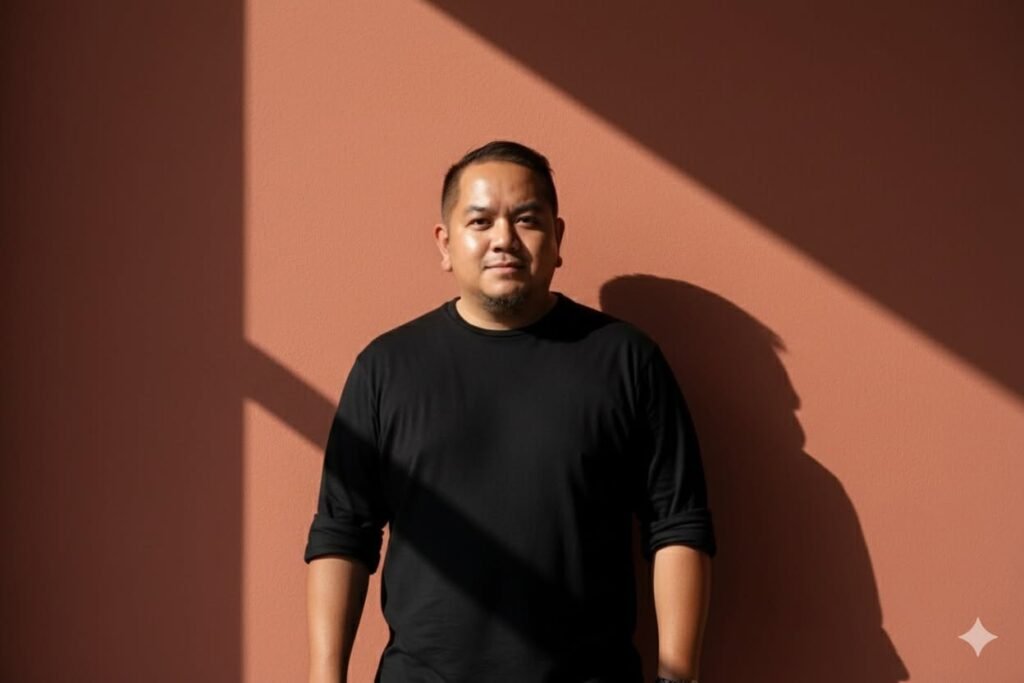
Both Lim and Villareal agree that the Philippines still boasts of some of the best beaches and natural attractions in the region, if not the world, but the country’s best tourism product, they say, is still it’s people. People are the key. They make the difference. This explains why community-based tourism, including brief homestays with local families, is thriving in other developing countries.
The need for curated experiences is still important, but at the same time, such experiences should also feel “organic.” “Because there’s a real need and desire out there to be with real people from real communities,” says Lim. “We need to step beyond the doors of the hotel, alight from our coasters and buses, and venture outside and experience real life.” She then cites her recent experience with a group of Spanish travel agents who visited Iloilo City as an ideal example.
Bringing them on a weekend church tour would have been a non-starter. Although Iloilo has its fair share of beautiful churches, certain tourists, especially coming from a bastion of Catholicism like Spain, probably won’t be as impressed.
“That same weekend, there was a coastal clean-up project behind Breakthrough,” Lim relates. “The activity was a local, community-driven one involving entire families. And, you know what? After the activity, the [Spanish] travel agents came back telling me that the experience was a core memory of their Iloilo trip.”
Eating with the locals, jumping randomly into the water, and even playing with village dogs—organic and real-life experiences not found in curated tour packages splashed in brochures, were what appealed most to these seasoned travel agents. Lim is quite certain that similar experiences, if executed well, would appeal also to local tourists.
But to make these discoveries possible, both stakeholders in the private and public sectors should work together in attending to and strengthening the basics, which includes connectivity.
“And I’m not referring to connectivity in terms of communication, but something as basic as safe, reliable and efficient transportation,” says Villareal. The tourists’ safety from, say, erring drivers and all sorts of scammers should also be addressed if we want more people, especially Filipinos, to venture beyond the beaten path.
“If we have to adopt some of the best practices from other countries, let’s do so,” says Villareal. “Because hospitality-wise, I don’t think there’s anything or anyone that can beat us.”
Despite an abundance of natural and man-made attractions, from pristine beaches and majestic mountains, awesome rice terraces to magnificent churches, the country’s best tourism product, Lim and Villareal agree, is still it’s people. They open the gateway for tourists to a world of wonders waiting to be discovered.

The 37th Philippine Travel Mart
As it celebrates the 37th Philippine Travel Mart, the Philippine Tour Operators Association (PHILTOA) hopes these stories of discovery will inspire more Filipinos to explore their own backyard and see familiar destinations through fresh eyes. Anchored on this year’s theme, “Nurturing the NextGen Tourism: Discover Your Philippines,” the association continues to champion a tourism industry that is sustainable, digitally empowered, inclusive, and supportive of health and wellness. By encouraging meaningful travel experiences that benefit both visitors and host communities, PHILTOA believes every journey across the Philippines becomes an opportunity not only to discover new places, but also to help shape the future of Philippine tourism.
Travelers looking to begin their own journey of discovery can visit the 37th Philippine Travel Mart from September 4 to 6, 2026, at the SMX Convention Center Manila, where hundreds of exhibitors from across the country will offer travel packages, destination experiences, accommodations, transportation services, and tourism products under one roof. Admission is Php120, with special discounted rates available for senior citizens and other qualified sectors in accordance with government regulations. Whether planning a quick weekend escape or a long-awaited adventure, the Philippine Travel Mart offers the perfect opportunity to Discover Your Philippines.
The 37th Philippine Travel Mart is made possible through the generous support of official credit card partner EastWest Bank, official airline partner Philippine Airlines, and media partners, Lakbay Magazine, AsianTraveler, Chinoy TV, DiscoverMNL, Hospitality News Philippines, Malaya Business Insight, Manila Bulletin, Manila Standard, Negosentro Media Group, OurAwesomePlanet, SPOT.ph, WhenInManila.com, and others to be announced. Their continued partnership helps amplify PHILTOA’s advocacy for domestic tourism and inspire more Filipinos to embrace the vision of Nurturing NextGen Tourism: Discover Your Philippines.