

Learning moves forward at PAEC’s immersive, innovative museums
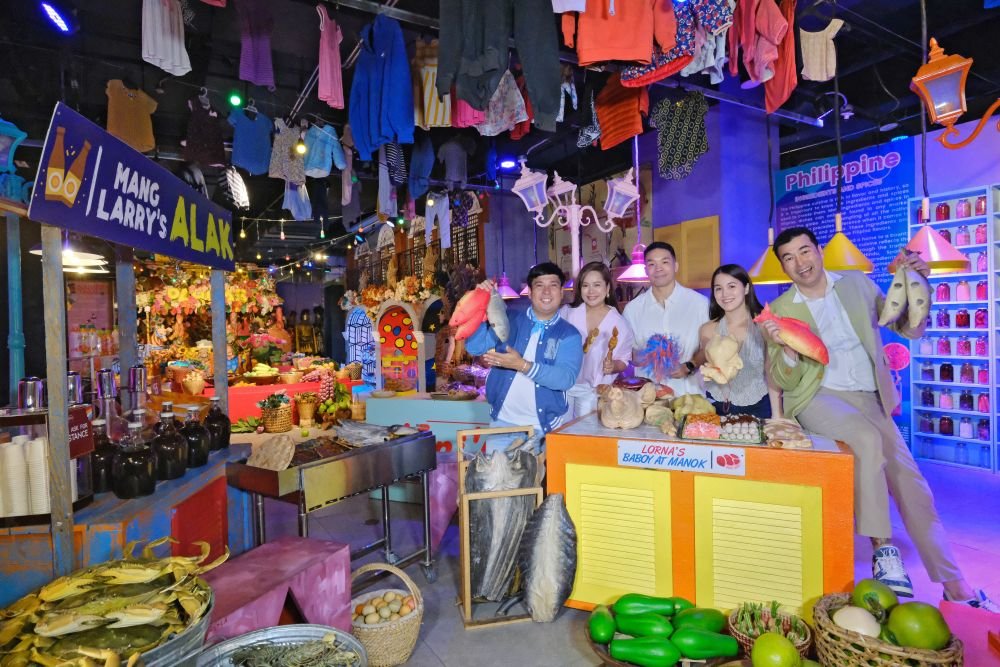
A visit to a museum can be a quiet encounter with history and discovery, with signs cautioning visitors to “look but not touch.” At the Philippine Amusement and Entertainment Corporation (PAEC), however, the museum experience is designed to be more active, particularly for a generation that has grown accustomed to learning through images, sound, movement and interaction.
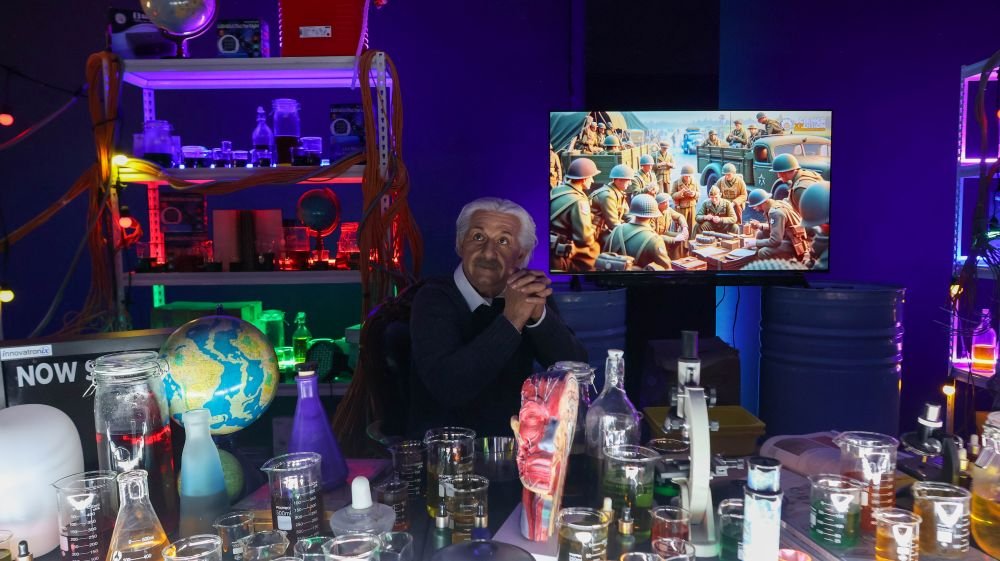
PAEC’s attractions such as “Lakbay Museo,” “Omniverse” or “Hiraya: Tales of Illumina” actually encourage visitors to engage with the environment, whether they are discovering a Philippine tradition, exploring a scientific concept, learning about sustainability or developing a better understanding of values and life skills. For children particularly, this can make the difference between simply looking at a diorama and actually being able to immerse in the world it is trying to portray.

It is an approach that has taken PAEC a long way since the opening of Lakbay Museo in 2019. From that first attraction, the company has grown to more than 40 educational, immersive and interactive brands, making it the Philippines’ largest creator and operator of such destinations. The expansion has been built not simply on the opening of more venues, but on a continuing process of research, creativity and reinvention, with each attraction offering another opportunity to make learning relevant to contemporary audiences.
For travelers looking for something beyond the usual sightseeing itinerary, the attractions offer another way of getting to know the Philippines. PAEC’s venues provide families, students and tourists with opportunities to discover Philippine culture, science, history and values in environments that invite participation, while also giving visitors a reason to spend more time exploring subjects that may otherwise remain confined to books or classrooms.
A different way of seeing the Philippines
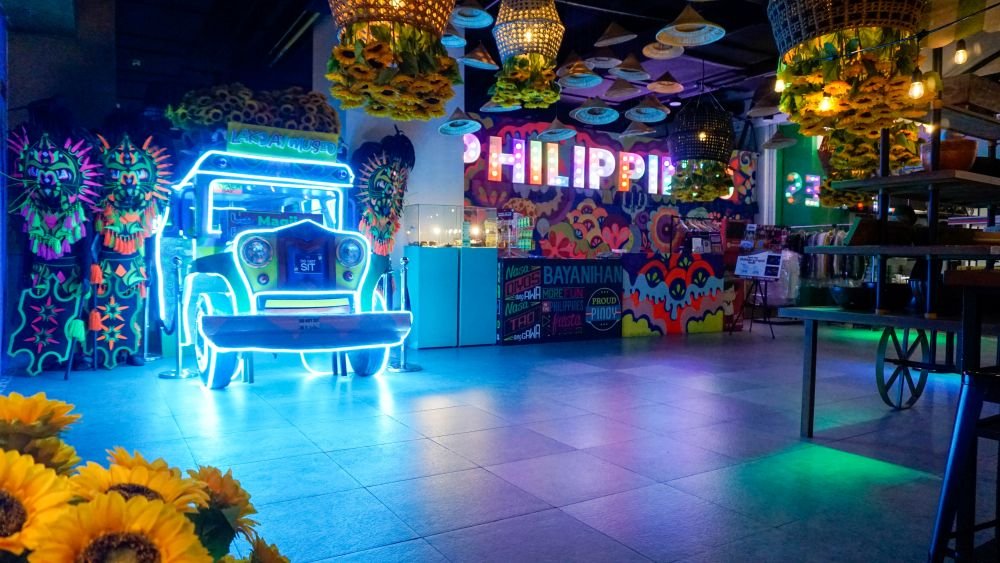
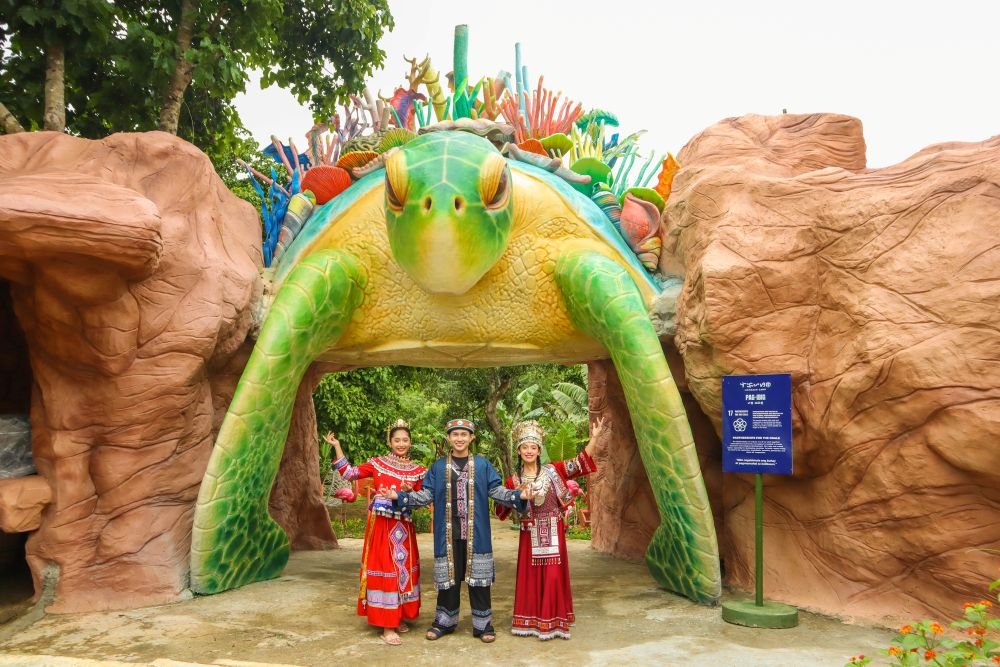
Lakbay Museo remains central to PAEC’s identity because it introduced an approach to cultural tourism that made the Philippines itself the experience. Instead of asking visitors to simply read about the country’s regions, traditions and festivals, the attraction brings these elements together in an environment where they can be explored through the senses, with visitors moving through spaces designed to encourage curiosity and participation through sights, sounds, touch, and yes, even taste.
There is also something appealing about rediscovering one’s own country in this way. A child may encounter a festival, custom or regional tradition for the first time, while an older family member may see something familiar and remember where it came from. In that exchange, the museum becomes more than a destination, because it creates an opportunity for stories to move from one generation to the next.
That idea is carried further in Hiraya, where immersive storytelling is used to introduce Filipino values and moral lessons. For PAEC, cultural preservation is not simply about keeping traditions visible; it is about making them meaningful to the people who will eventually carry them forward, particularly young Filipinos whose understanding of culture is increasingly shaped by global influences.
When learning becomes an experience
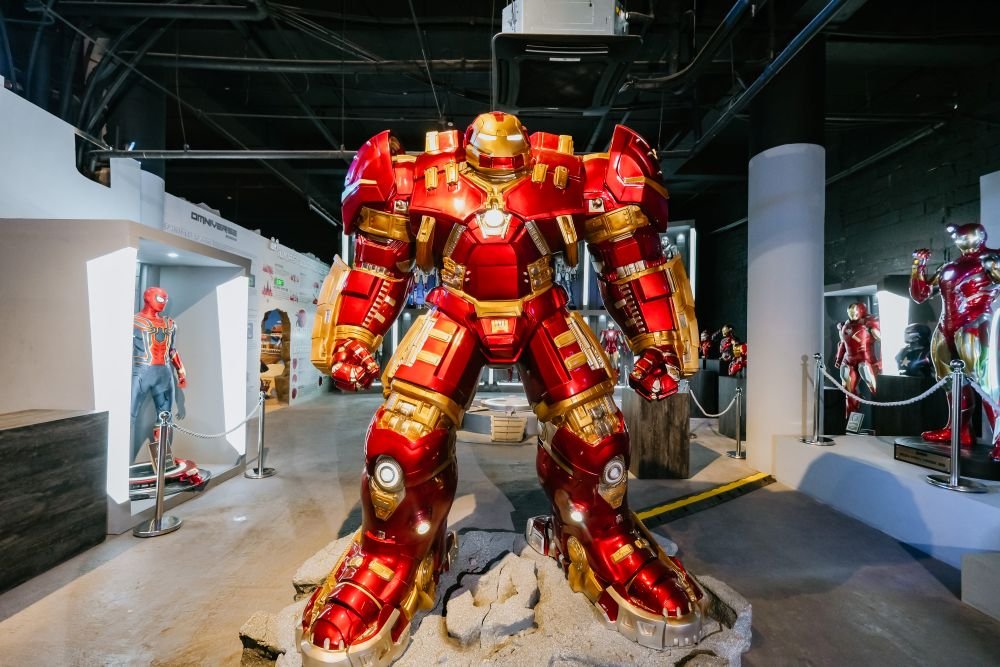
PAEC’s philosophy extends beyond culture, with its growing portfolio encompassing attractions devoted to science, history, technology, sustainability, folklore, emotional intelligence and survival skills, among other subjects. What connects these different destinations is the company’s belief that learning can become more meaningful when people are allowed to experience an idea rather than simply read about it.
This is why audiovisual presentations, music, interactive displays and sensory elements are integral to many of its attractions. Technology is used to bring stories to life, but it is not treated as an end in itself, since the objective remains to make the subject easier to understand and remember without losing its educational substance. This helps explain why PAEC has positioned its venues as destinations for both learning and leisure.
The polished environments visitors encounter inside PAEC attractions are the result of a creative process that begins long before the first wall is painted or the first interactive display is installed. Every attraction starts with an idea that has to be developed into a coherent experience, followed by research, writing, concept development, design and planning that determine what visitors should learn and how the story should unfold.
The creative team has to think simultaneously as educators, storytellers, designers and hospitality professionals, particularly when dealing with subjects that may initially seem difficult to translate into an entertaining visitor experience. The challenge is to identify the human interest or sense of discovery within a topic and then create an environment that allows visitors to understand it naturally.
Even the company’s earliest creative exercises were practical and sometimes unconventional. The original plans for Lakbay Museo were drawn on a placemat, while masking tape has been used to map out displays and visitor pathways when the team enters a new space and begins figuring out how an attraction can work within its physical limitations. These details offer a glimpse into an organization that values imagination but remains equally concerned with execution.
The leadership team reflects that collaborative approach. Working alongside founder, President and CEO Dr. Lance Tan are Vice President Yzl D. Cruz, VP for Operations Marc Queano, and Directors Gem Myka Sy-Lin and Dakota Lin. Their complementary responsibilities bring together the strategic, creative and operational aspects of the business, allowing concepts to move from an initial idea to a researched story, a recognizable brand and eventually a functioning visitor experience.
More than culture and history
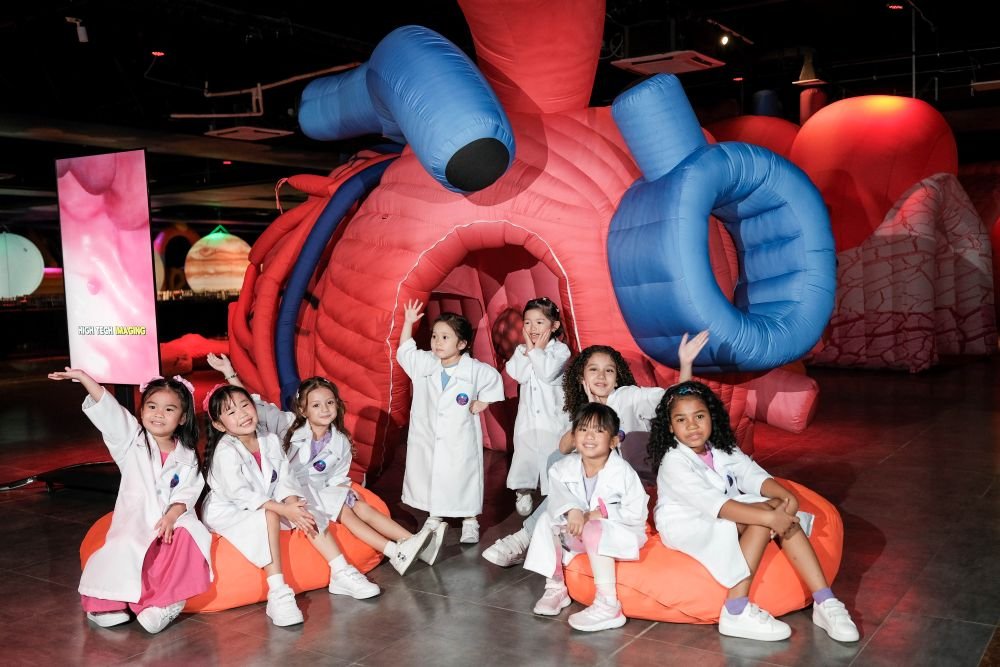
One of the more interesting aspects of PAEC’s development is how broadly it has come to define education. Science and sustainability, for example, are explored through attractions such as the SDG and Science Museums developed in partnership with the Department of Science and Technology, giving visitors an opportunity to encounter scientific ideas and global sustainability goals in a setting designed to make them more accessible.
World of Scouting, developed with the Boy Scouts of the Philippines, offers another example of how an organization’s history and values can be presented through an immersive environment. Occupying 4,000 sq.m., the museum gives visitors an opportunity to learn about scouting through a format that encourages participation and discovery rather than relying solely on conventional displays.
These attractions suggest a broader view of what a museum can accomplish. It can preserve history, introduce culture, explain science, develop practical skills and encourage young people to think about the way they relate to others, making education less about memorizing information and more about creating connections.
Keeping Filipino values within reach
Perhaps the most meaningful thread running through PAEC’s work is its commitment to Filipino culture and values. Preserving heritage can be difficult when traditions become increasingly removed from everyday experience, particularly for younger Filipinos who may recognize the names of festivals without knowing their significance or encounter familiar customs without understanding the values behind them.
PAEC’s attractions provide another way of keeping those connections alive. By placing Filipino stories and traditions inside interactive environments, the company allows young visitors to encounter them in ways that feel contemporary without stripping away their meaning, giving cultural knowledge a place within experiences that families can share.
The objective is not to preserve tradition by freezing it in time, but by allowing it to continue being experienced. Filipino festivals, customs, stories and values can be presented through contemporary technology and design while retaining the cultural context that gives them meaning.
This distinction is important to PAEC’s educational mission because the company’s attractions are designed for today’s visitors, using current presentation techniques while retaining the stories and values that give the content its Filipino character. In this way, the museum becomes a bridge between generations, connecting what Filipinos have inherited with the way young people are learning and exploring today.
A growing enterprise
The numbers tell one part of PAEC’s story. From one attraction in 2019, the company has grown to more than 40 brands, while expanding its work beyond the Philippines through an attraction in Brunei and consultancy projects in China. The expansion reflects not only the demand for new educational experiences but also the company’s ability to develop concepts that can be adapted to different audiences and markets.
The international direction is significant for a company whose attractions are deeply rooted in Filipino culture. It demonstrates that the principles behind PAEC’s work, including immersive storytelling, thoughtful design, participation and hospitality, can have relevance beyond the Philippine market while giving the company opportunities to share its experience in creating educational destinations.
At home, however, the mission remains firmly connected to the next generation of Filipinos. PAEC continues to develop original concepts, explore subjects that matter to young people and strengthen partnerships with schools and tourism organizations, with the broader goal of making learning more relevant to the way today’s generation sees and understands the world.
For a traveler, the invitation is simple enough: come curious, take your time, and allow yourself to explore. Somewhere between the exhibits, stories and interactive experiences, the Philippines may reveal itself in ways that are both familiar and new.