


While cardiovascular disease persists as a leading cause of global mortality, medical experts are increasingly shifting away from viewing heart health in isolation. Many of them are now advocating for a holistic approach that integrates mental health care into standard cardiac treatment.
After all, the physiological link between chronic stress, anxiety, and heart function is profound; sustained high levels of cortisol and adrenaline can accelerate arterial damage, trigger inflammatory responses, and contribute to hypertension, effectively placing the heart in a state of constant, damaging strain.
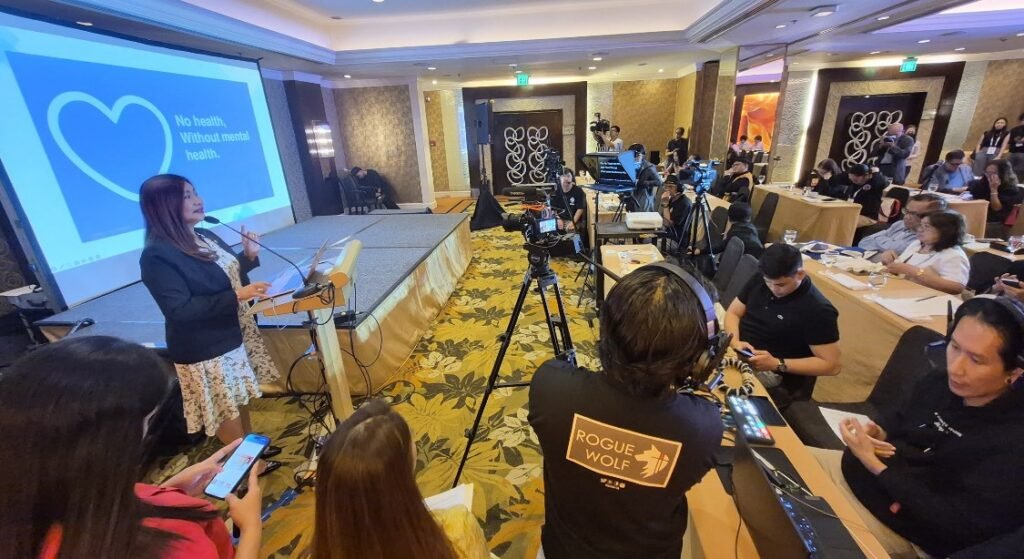
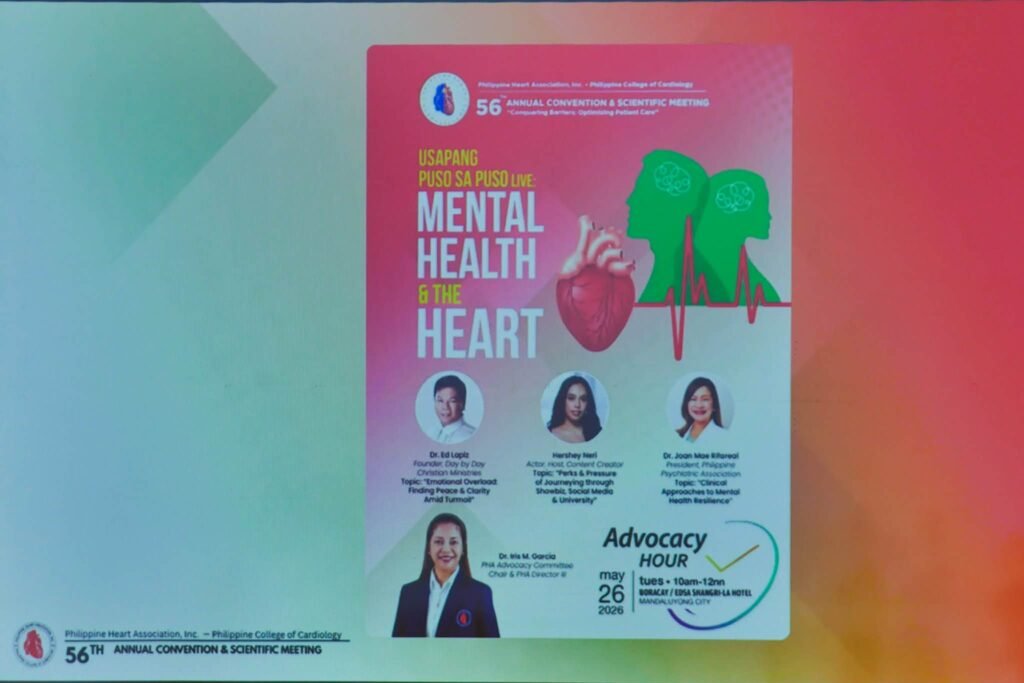
The connection between mental health and heart health was brought to light during the Advocacy Hour Usapang Puso sa Puso, held as part of the 56th PHA-PCC (Philippine Heart Association-Philippine College of Cardiology) Annual Convention and Scientific Meeting on May 26, 2026, at Edsa Shangri-La Mandaluyong City.

With the theme “Mental Health & The Heart,” the session brought together cardiologists, psychiatrists, faith leaders, mental health advocates, and members of the public to discuss how stress, anxiety, depression, trauma, and burnout may affect cardiovascular health.
PHA Director III and Advocacy Hour Committee Chair Dr. Iris M. Garcia was joined by Philippine Psychiatrist Association President Dr. Joan Mae Perez-Rifareal, actress and television host Hershey Neri, and spiritual leader Dr. Ed Lapiz.


Dr. Garcia emphasized that mental health plays an important role in how people think, feel, act, and make decisions in their daily lives.
“Mental health is part of our overall health. It affects how we think, feel, act, relate with others, and make decisions every day,” she said.
She added that emotional struggles can also affect the body, including the heart.
“Kapag ang isang tao ay dumadaan sa depression, anxiety, chronic stress, trauma, lack of sleep, or emotional overload, hindi lang isip at damdamin ang naaapektuhan. The body is affected too, including the heart,” Dr. Garcia said.
Dr. Garcia also noted that heart advocates have a role in creating safe spaces where mental health can be discussed openly and with compassion.
“As we continue promoting heart health, may we also create safe spaces where mental health can be discussed with compassion and without judgment. Seeking help is not a sign of weakness. It is a step toward healing,” she said.
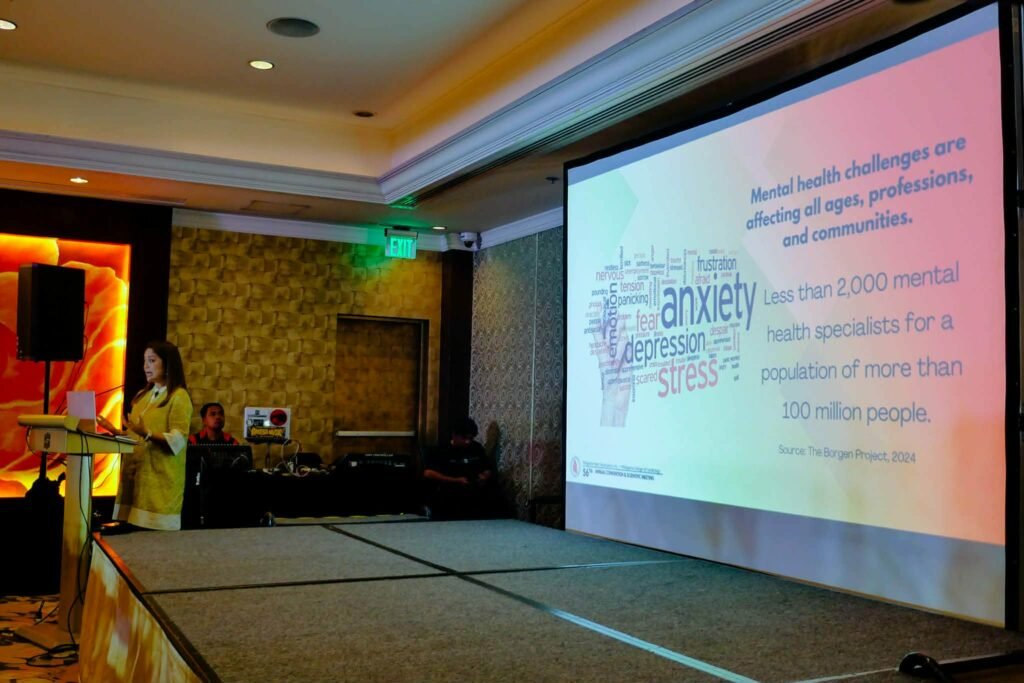
In addition, Dr. Perez-Rifareal said mental health should not be treated separately from physical health, especially as many people continue to experience chronic stress and emotional struggles.
“Physical and mental health are deeply interconnected. We cannot separate one from the other,” she said.


She said stress is part of life, but excessive and unmanaged stress may lead to burnout, anxiety, depression, unhealthy coping habits, and other health risks.
“Do not be afraid of the word stress. It is part of life,” Perez-Rifareal said.
Perez-Rifareal also encouraged the public to protect their mental well-being through proper sleep, healthy food, exercise, hobbies or stress outlets, and a strong support system.
Meanwhile, celebrity guest Hershey Neri, who is currently a Psychology student and mental health advocate, shared the physical trauma she had at 19 and how therapy helped her understand said trauma and healing.
“The therapy really changed my life,” Neri said.
She reminded the public that healing can be difficult, but seeking help is an important step toward recovery.
“Healing or going to therapy is like peeling off a band-aid. It hurts because you are healing,” she said.
Neri also encouraged people to show compassion to those who are struggling emotionally.
“Sometimes people do not need advice right away. Sometimes they just want someone to ask, ‘How can I help?’” she said.
“I have more than a thousand bashers, but I have five best friends and my parents. I have seven people who love and support me and they are my safe place,” Neri as she chose to focus on the people who genuinely support and care for her.
She added that she chose to work for comedy because she uses humor to heal. “Because laughter is medicine, I want to share my life, a beautiful life of laughter, to others,” she concluded.
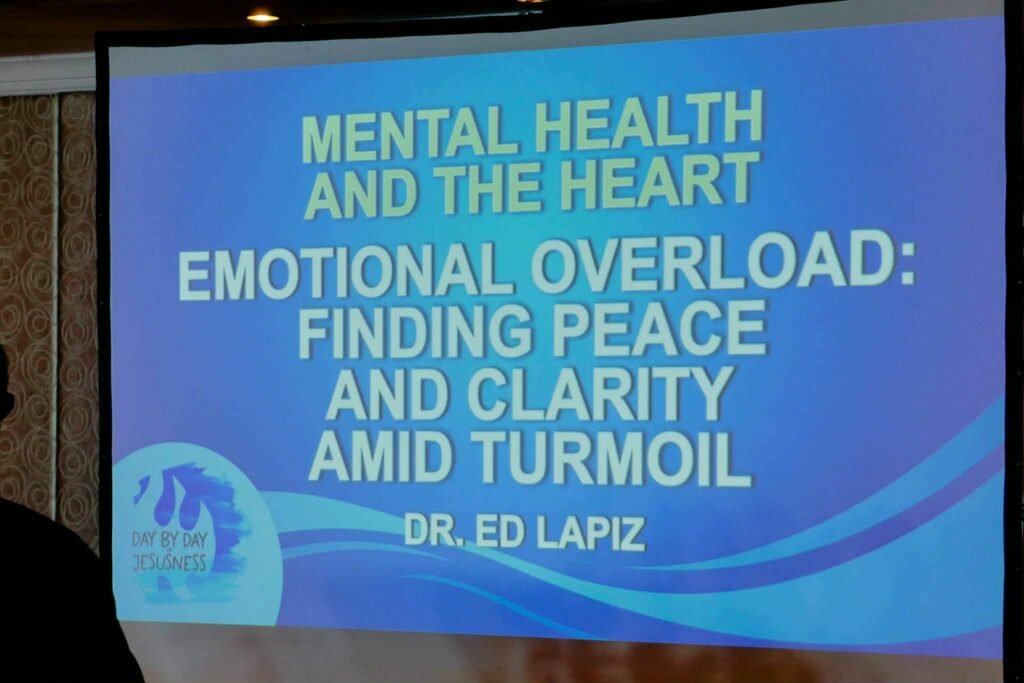
Pastor Ed Lapiz, on the other hand, warned about the emotional burden caused by social media pressure, negativity, and information overload.
“There is a difference between being informed and being invaded by information,” Lapiz said.
He urged the public to protect their peace while staying compassionate.
Quoting the Bible verse, “Let not your heart be troubled,” he said: “Guard the heart, but do not harden it,” Lapiz said.
The discussion highlighted the need for whole-person heart care. While medicines, exercise, healthy food, blood pressure control, and cholesterol management remain important, emotional wellness, rest, stress management, safe relationships, and professional support must also be part of prevention and recovery.
Panelists urged the public not to wait until emotional struggles become overwhelming before seeking help, stressing that protecting the mind is also part of protecting the heart.
By addressing the psychological underpinnings of patient well-being—such as depression and burnout—healthcare providers can mitigate these systemic stressors, thereby improving long-term heart outcomes. Ultimately, recognizing mental health as a fundamental pillar of cardiovascular wellness is no longer just a nuanced preference, but an urgent necessity in reducing the global burden of heart disease and fostering lasting physical resilience.
To learn more, view the episode uploaded live at the official Facebook page: Philippine HEART Association.