

Nearly 80 works explore nature, interdependence, and the harmony between discipline and creative freedom
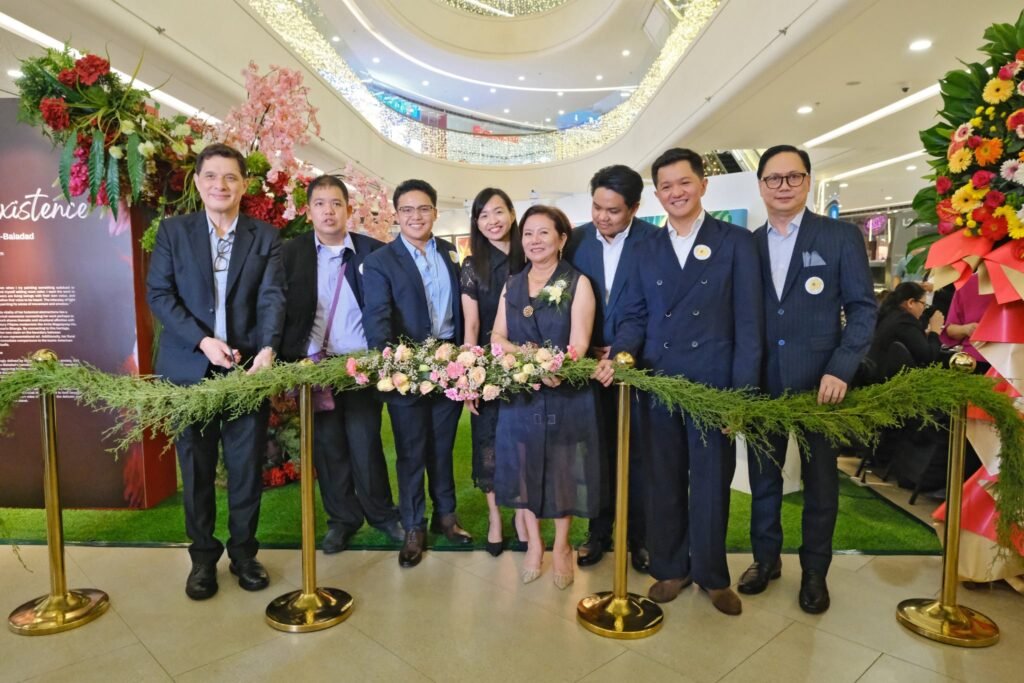
Photos by Fernan Nebres
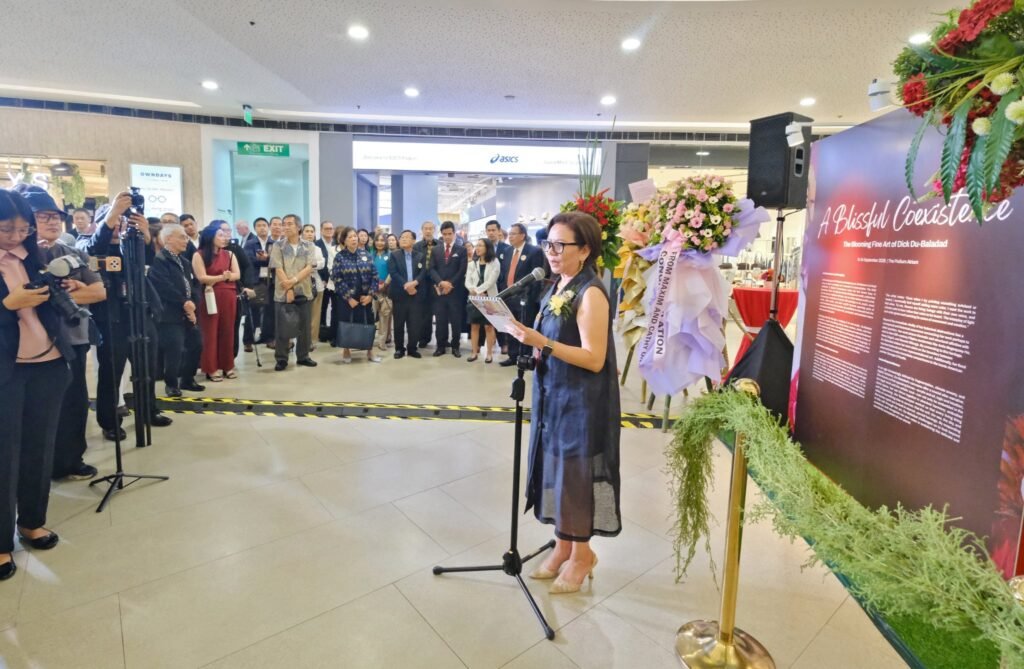
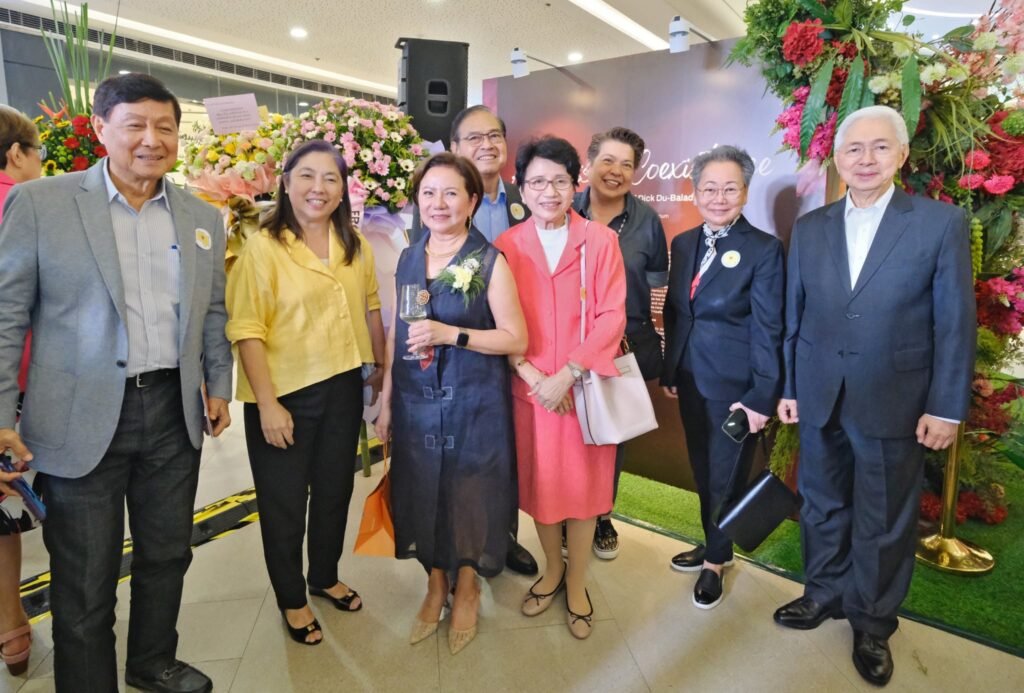
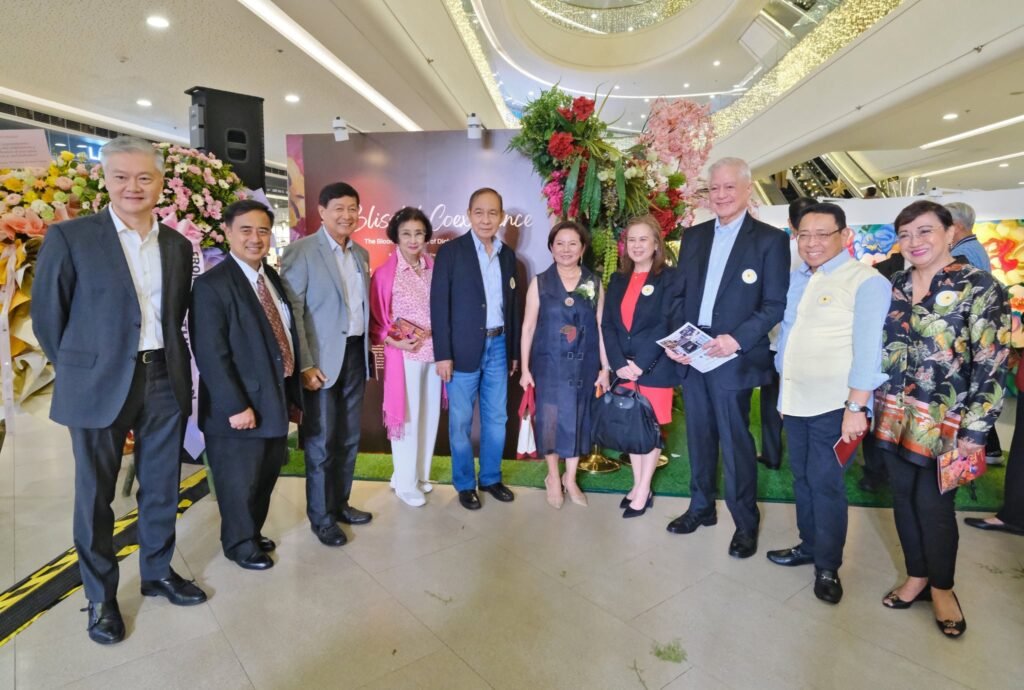
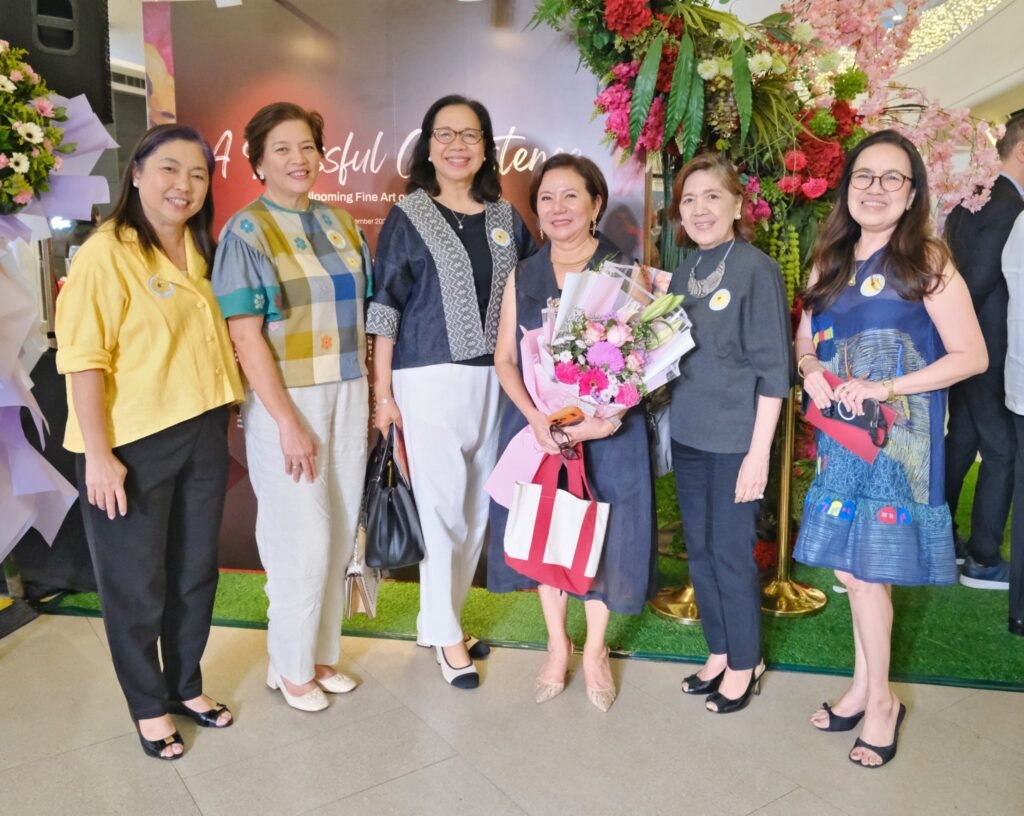
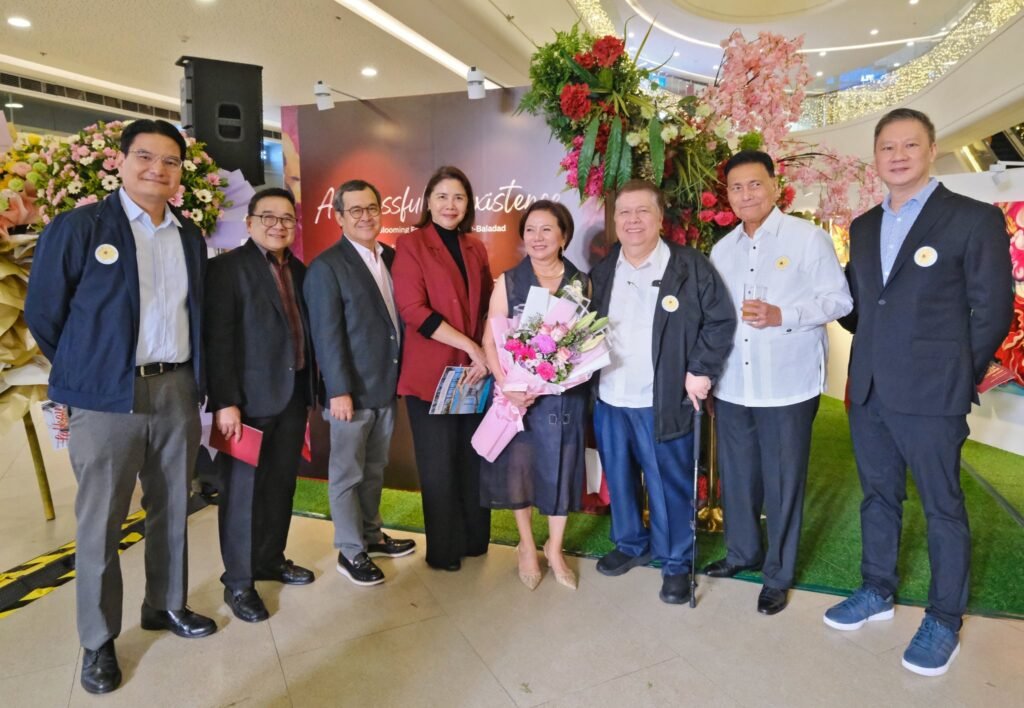
Emerging Filipino contemporary artist Benedicta “Dick” Du-Baladad formally enters the Philippine art scene with her first solo exhibition, “A Blissful Coexistence,” a substantial collection of nearly 80 works celebrating the beauty, vitality, and interconnectedness of the natural world.

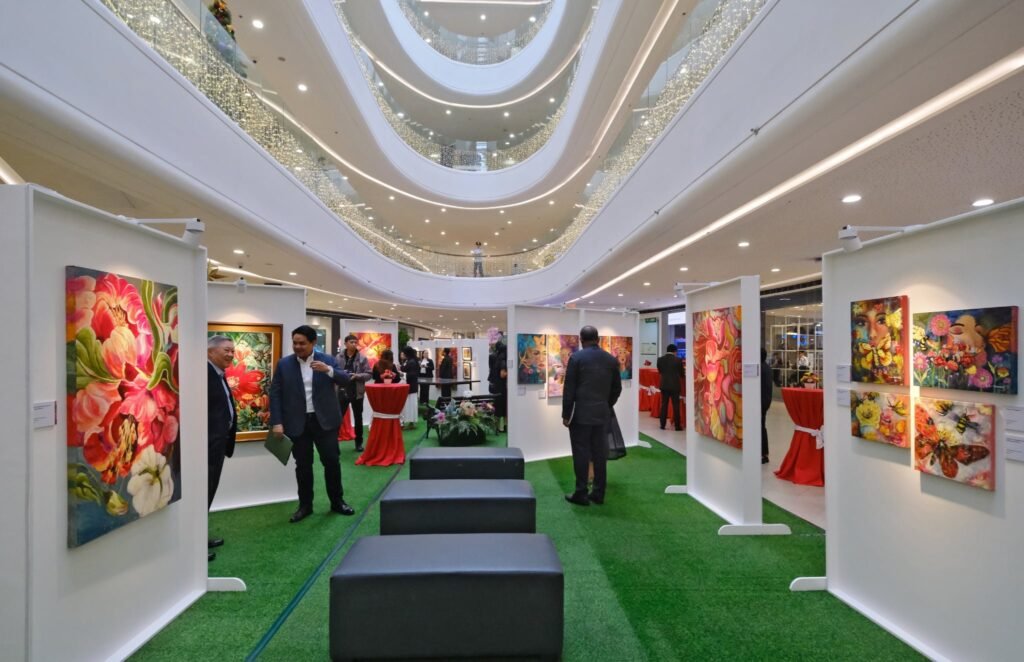
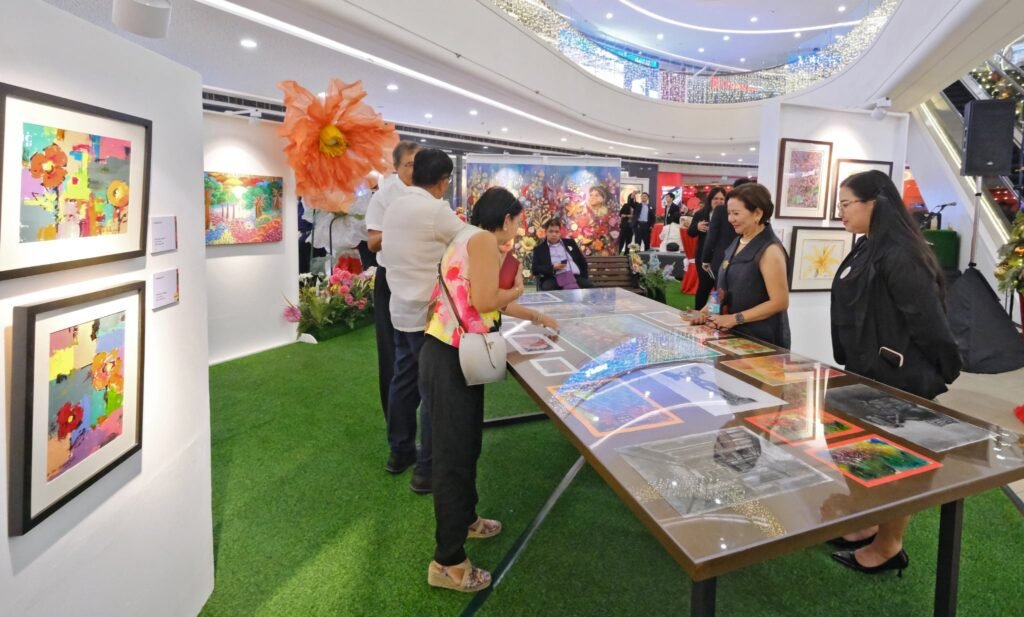
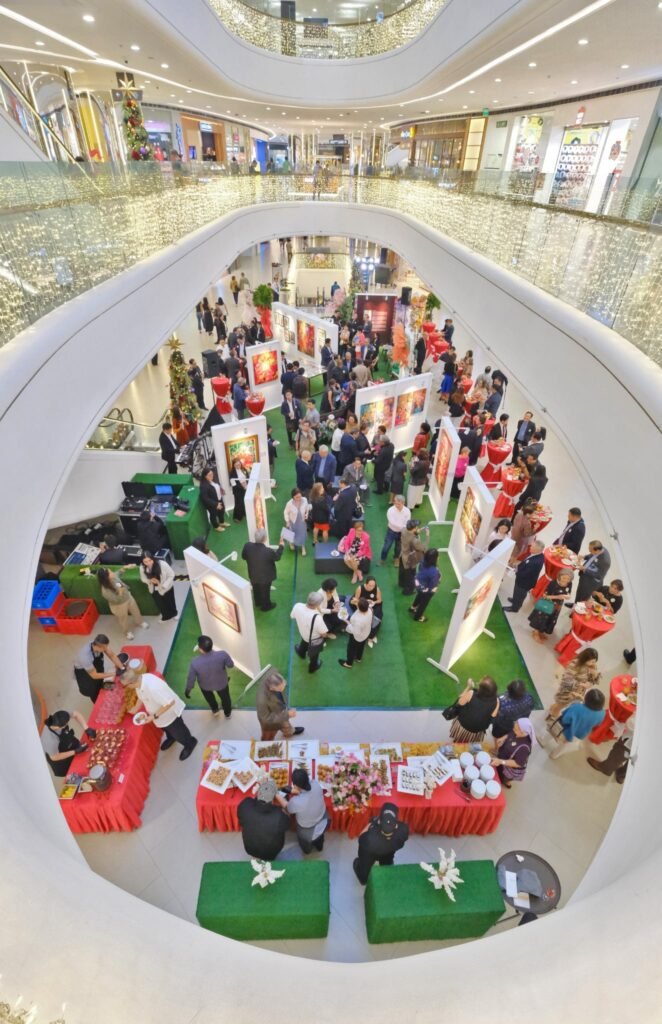
The exhibition, which opened on September 9, 2026 at the Level 2 Atrium of The Podium, brings together years of Du-Baladad’s quiet and deeply personal artistic practice. The collection spans oil, acrylic, mixed media, works on paper, and smaller-format pieces, offering audiences an intimate look into an artistic language shaped by nature, intuition, color, and texture.
Curated by Randel Urbano, “A Blissful Coexistence” explores the relationship between humanity and the organic world, reflecting on how people inhabit shared spaces and how seemingly opposing forces can exist together in harmony.
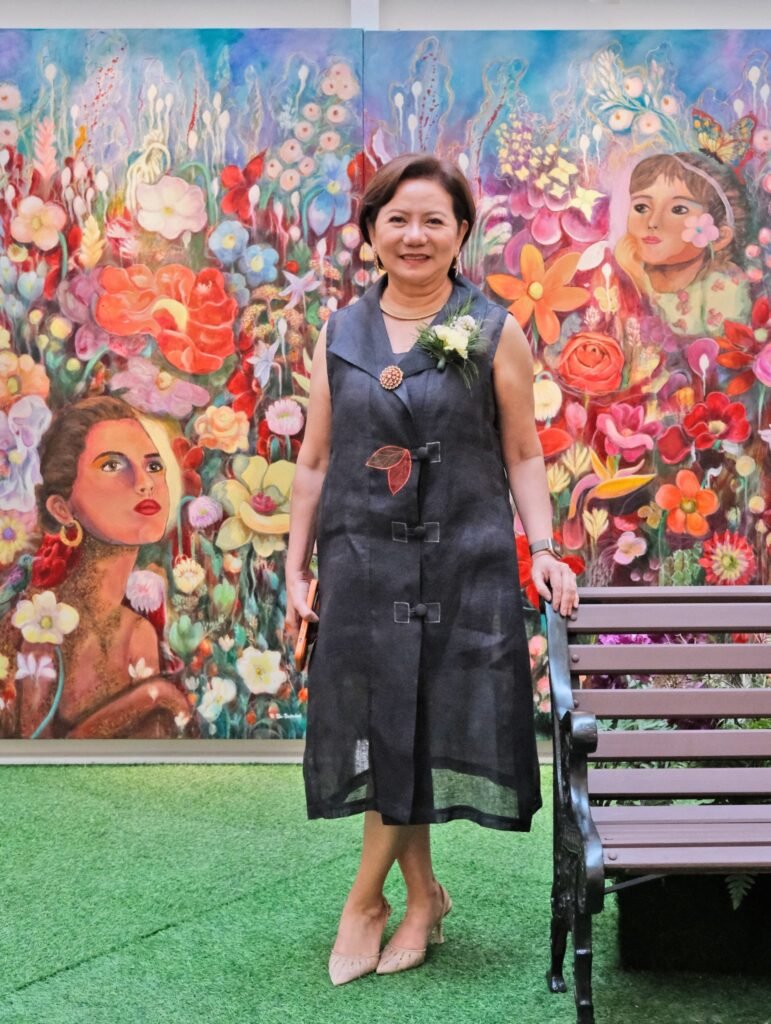
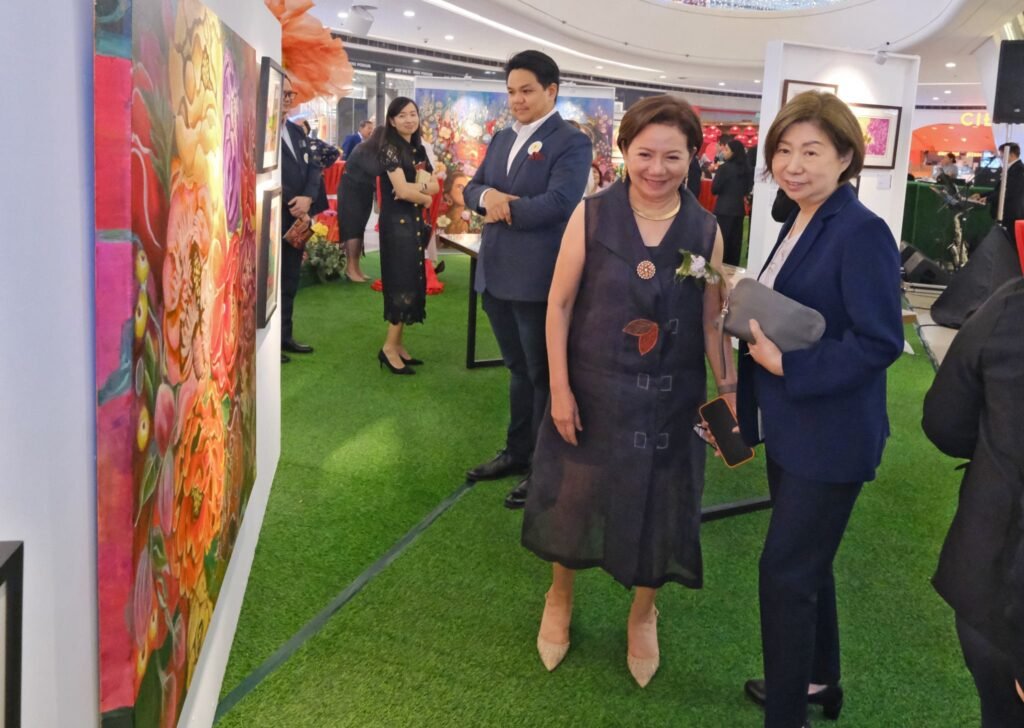
Du-Baladad draws much of her inspiration from the Philippines’ rich tropical environment. Flowers, foliage, birds, butterflies, and pollinators recur throughout her compositions, transformed through vivid colors, layered textures, expressive brushwork, and an interplay of light and shadow.
“Even when I try painting something subdued or muted, I eventually find myself adding more color. I want the work to feel alive,” Du-Baladad shares. “To me, flowers are living beings with their own voice, and vibrant color is how I allow that voice to be heard.”
Where discipline meets creative freedom
Du-Baladad brings an unusual perspective to contemporary art. A practicing accountant and lawyer, she has spent decades working in professions defined by precision, structure, logic, and discipline. Yet it is this highly analytical background that provides a counterpoint to the intuitive freedom of her artistic practice.
Largely self-taught, Du-Baladad has also pursued international organizations and professional development opportunities to further refine her craft. Her paintings reveal a balance between calculated composition and spontaneity—between structure and instinct.
Rather than separating these two aspects of her life, she embraces their coexistence.
“My creative process is intuitive and contemplative,” Du-Baladad explains. “I build each painting gradually, allowing layers of color, texture, and form to evolve organically. I’m drawn to the balance between structure and freedom—the discipline that gives a work direction and the creative instinct that allows it to take on a life of its own.”
The exhibition includes several bodies of work, among them the “Where Petals Breathe Series,” which explores flowers and organic forms in motion, and the “Garden of Thoughts Series,” where female figures, floral imagery, and pollinators come together in richly layered compositions.
Working with both acrylic and oil allows Du-Baladad to combine immediacy and depth. Acrylic captures spontaneous gestures and establishes structural layers, while oil introduces luminosity, richness, and tactile dimension.
A reflection on interdependence
Beyond its visual celebration of nature, “A Blissful Coexistence” carries a broader message about humanity’s relationship with the environment.
For Du-Baladad, nature is neither merely decorative nor something to be possessed. It represents a larger living system to which humanity belongs.
“We are surrounded by life that is not ours to possess, but ours to appreciate, respect and protect,” she says. “Nature reminds us that we are part of something far greater than ourselves—an intricate world in which every living form has its own purpose, beauty and place.”
At a time increasingly marked by environmental concerns, fragmentation, and digital isolation, the exhibition offers a meditation on connection and coexistence. Its flowerscapes, figures, birds, and pollinators become reminders of the interdependence that sustains the natural world.
“’A Blissful Coexistence’ is ultimately about more than simply living alongside nature,” Du-Baladad adds. “It is about recognizing that we belong to the same living world and that its beauty, vitality and future are something we all share and have a responsibility to protect.”
Through her debut exhibition, Du-Baladad invites audiences to rediscover the natural world not simply as something to observe, but as something of which humanity is an inseparable part.