

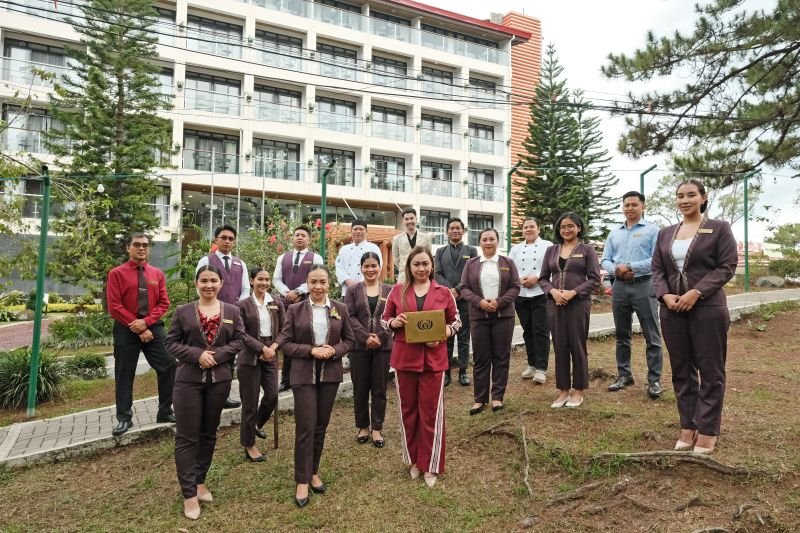
Located inside Camp John Hay, the hotel aligns comfort, nature, and sustainability under the ASEAN Green Hotel Standard
By Kenneth M. Del Rosario
Inside Camp John Hay, where pine trees frame walkways and cool air carries through the grounds year-round, Le Monet Hotel has been steadily refining what a Baguio stay can offer. The setting itself does a lot of the work, but the hotel’s direction has increasingly focused on how to operate within that environment more responsibly, without losing the ease and comfort travelers expect from a mountain escape.

That approach has now been formally recognized through the ASEAN Green Hotel Standard (2026–2028), a regional certification that highlights accommodation providers in Southeast Asia that meet shared sustainability criteria. The standard evaluates practices such as environmental management, energy efficiency, waste reduction, and support for local communities. For Le Monet, it signals an ongoing, long-term commitment rather than a short-lived shift in direction.
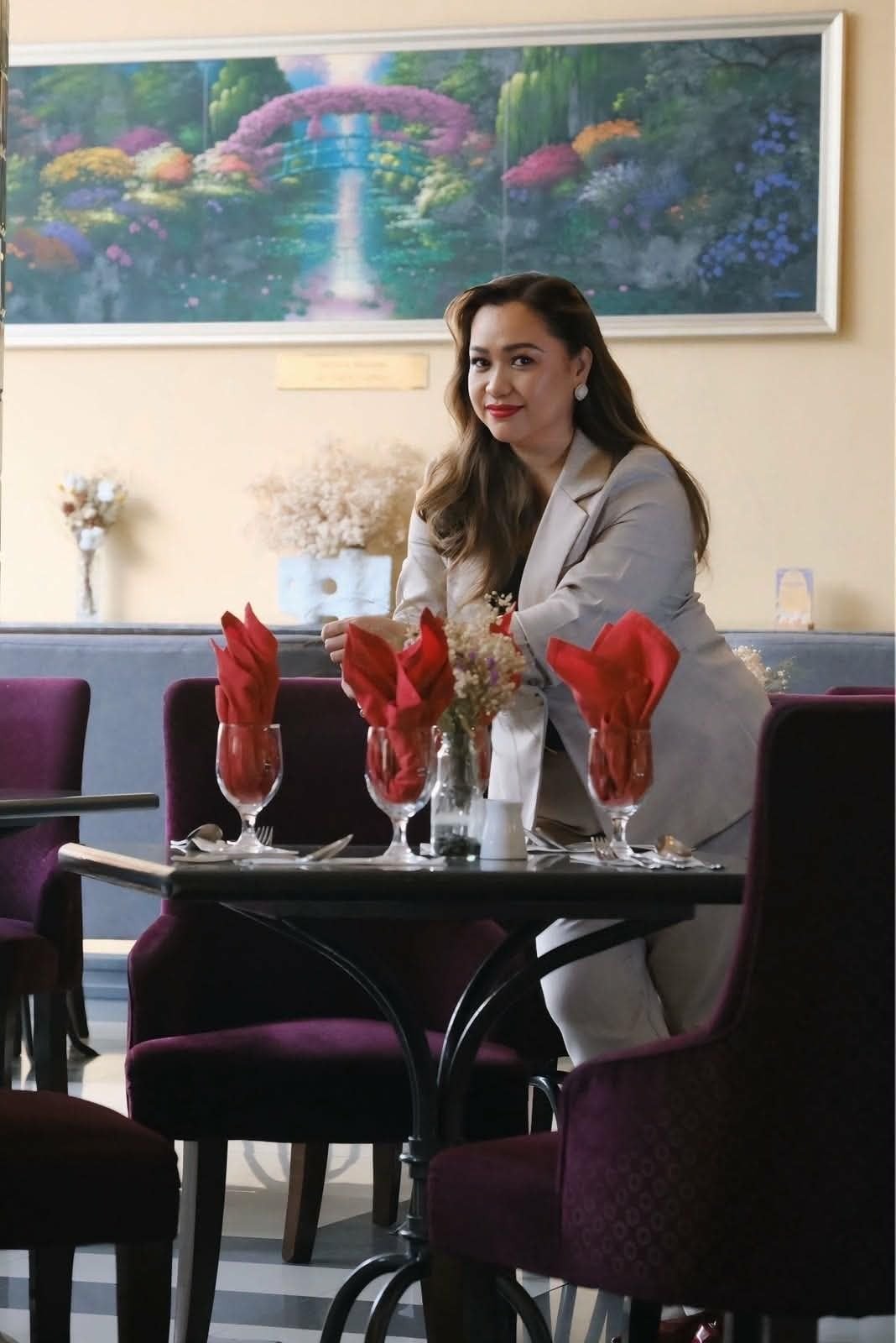
General Manager Charmaine Joy Rama-De Guzman describes the hotel’s philosophy as rooted in experience rather than presentation.
“We have always believed that hospitality should feel human and intentional, not transactional,” she said. “Our location allows us to give guests something simple but rare today—time, space, and a closer connection to nature—and our sustainability work is part of protecting that experience for the long term.”
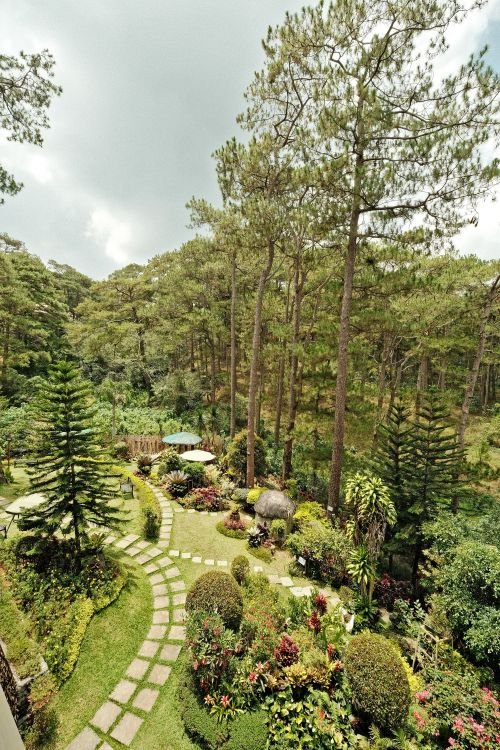
Set within a landscape defined by pine forests, trails, and open green spaces, the hotel’s daily operations naturally respond to its surroundings, influencing everything from guest movement to resource use.
“We try to be discerning and very intentional with how we operate,” she said. “That means reducing waste where we can, working with local producers, and making sure our practices support both people and the environment.”

A stay shaped by place and pace
Baguio has long been one of the country’s most established domestic destinations, with its own rhythm of weekend travelers, summer peaks, and returning visitors. Within that landscape, Le Monet positions itself around continuity rather than reinvention, leaning into what already draws people north: climate, scenery, and rest.
Guests often structure their stay around Camp John Hay’s environment. Mornings begin with walks through pine corridors, afternoons move between leisure and work, and evenings settle into cooler air that signals rest more naturally than routine.
This rhythm becomes especially evident during peak travel periods, when the city welcomes a surge of visitors and the hotel’s consistency in service becomes part of the experience.
“We want every guest experience to come with a sense of responsibility on our side,” she said.
“We want people to enjoy nature, and also take part in preserving it through how we operate and the choices we make daily.”
Sustainability built into daily operations
Le Monet Hotel’s sustainability direction was never an afterthought, De Guzman said. It began years ago when the property first worked toward ASEAN Green Hotel Standard recognition, going through several applications before meeting the full set of requirements.
“We did not approach it as a checklist,” she said. “It became about building systems that can last and actually support how we operate every day.”
A key part of that journey involved improvements in energy use across the property.
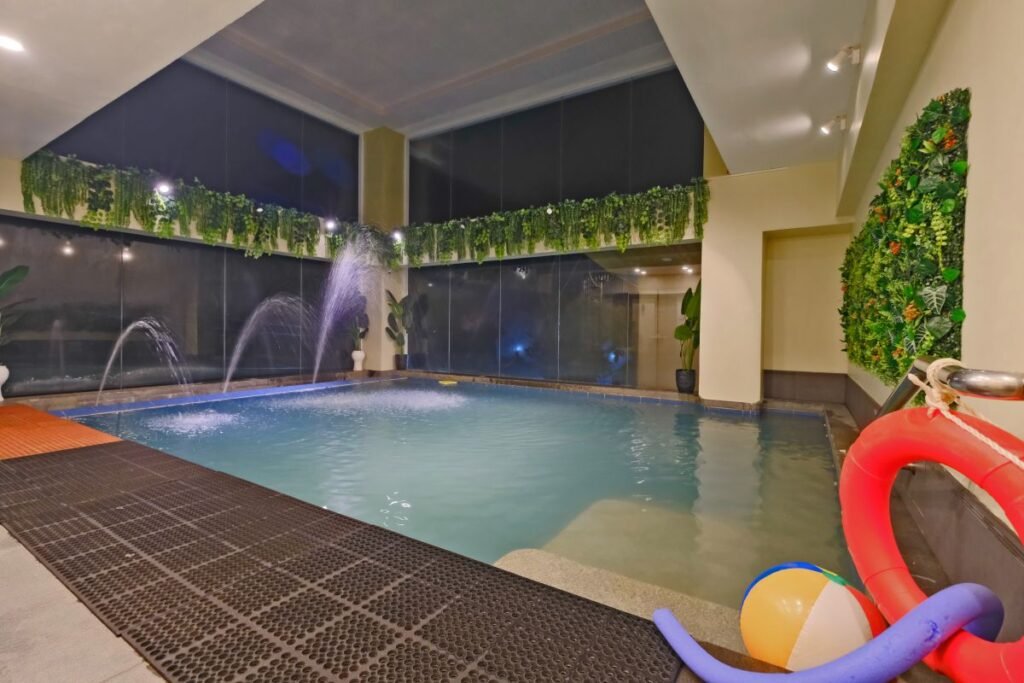
Operated by Artstream Hospitality Management Group Inc. (AHMGI), the hotel transitioned to LED lighting and inverter air-conditioning systems to improve efficiency in day-to-day operations. The hotel utilizes a hybrid pool-heating system powered by both solar energy and LPG. Solar energy provides approximately 20-30 percent of the pool’s heating requirements, helping reduce energy costs, while the remaining 70 percent is supplied by LPG to ensure consistent water temperature and year-round guest comfort.
Water management has also been a major focus. The hotel has invested in filtration systems designed to improve water quality for operational use while ensuring compliance with health and safety standards. In addition, backwash water is recovered and repurposed for landscape irrigation, maximizing water reuse and reducing demand on the potable water supply. This integrated approach promotes efficient water utilization, minimizes wastage, and supports the hotel’s long-term environmental sustainability objectives while maintaining operational safety and reliability.
On the waste side, the property has moved toward reducing single-use plastics through an in-house drinking water filtration system, significantly cutting bottled water consumption across operations. Waste segregation is implemented at source, with materials such as plastic and paper separated for proper handling. Some recyclable materials are also sold or repurposed, with proceeds directed toward internal employee support initiatives.
The ASEAN Green Hotel Standard certification itself required sustained compliance across multiple criteria, including energy efficiency, environmental systems, air quality standards, staff training, and community engagement.
Comfort food with personality, identity
At Le Monet, sustainability is treated as part of everyday decision-making rather than a separate initiative. It extends across sourcing, operations, and guest experience design, with an emphasis on reducing waste and supporting nearby communities.
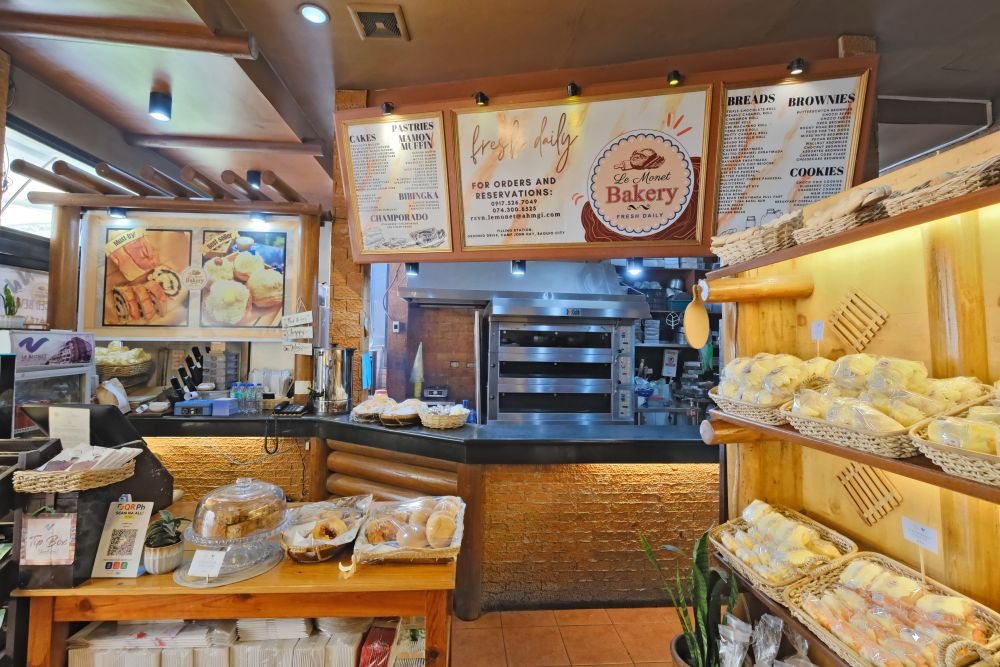
The hotel has also placed importance on local agricultural partnerships, particularly with farmers in Benguet. This approach shows up most visibly in its food offerings, where local ingredients are incorporated into both traditional and reinterpretive dishes.
One of the hotel’s most recognized offerings is its strawberry champorado, the first hotel in Baguio City to introduce it as a signature menu item, blending a familiar Filipino comfort dish with Benguet’s signature produce.
“We looked at how we could elevate a comfort dish without losing its identity,” De Guzman said. “The strawberry champorado became a way to balance familiarity with something distinctly local to Baguio City and Benguet.”
Another standout is the hotel’s halo-halo, which sets itself apart by incorporating unexpected local ingredients rarely found in the traditional version. Alongside the usual layers of sweetened beans, kamote, jellies, pinipig, macapuno, ube, corn, and leche flan, the hotel adds a distinct Benguet touch through sweetened carrots, mashed pumpkin, and sweetened sayote. These elements bring the dessert toward a more vegetable-forward, highland-inspired profile, giving it a deeper, earthier sweetness that distinguishes it from standard versions.
The hotel’s approach to food also signals a broader commitment to responsible sourcing.
“We work closely with local producers in Benguet to bring their harvest directly into the kitchen,” she said. “For us, it goes beyond sourcing ingredients. It’s about making sure that farmers are part of the experience we serve to guests, while also being mindful of how much we use and waste in the process.”
On the menu, this approach comes through in dishes that reinterpret regional ingredients in familiar formats, allowing guests to experience local identity without it feeling unfamiliar or overly complex.
Hospitality grounded in consistency
Beyond its environmental direction, much of Le Monet’s guest experience is built on consistency in service and atmosphere. Staff training, attention to detail, and daily operations all contribute to how guests experience the property.
Marketing Manager Aldin Eclarinal describes this as a long-term discipline rather than a short-term adjustment.
“We focus on consistency and understanding the ‘why’ behind service,” he said. “It’s not just about procedures, but about making sure every staff member understands how they contribute to the guest experience and the environment we’re part of.”
Eclarinal added that this preparation allows service to feel more consistent and confident, especially during peak seasons when demand is high.
For guests, this translates into a stay where interactions feel steady and well-managed, supported by a team that has been properly oriented into the hotel’s way of working.
Returning guests and long-term relationships
One of the clearest indicators of the hotel’s approach is its base of repeat guests. Families, leisure travelers, and long-stay visitors return year after year, often building personal routines around their stays.
Some of these relationships have stretched across more than a decade. A group of German retirees, for example, has made annual visits for over 10 years, treating the hotel as a fixed point in their travels. In one instance, a long-time guest who had been part of the group was unable to travel due to health reasons, prompting emotional messages between him and the team during their recent stay. It’s a moment De Guzman described as deeply personal and difficult for everyone involved.
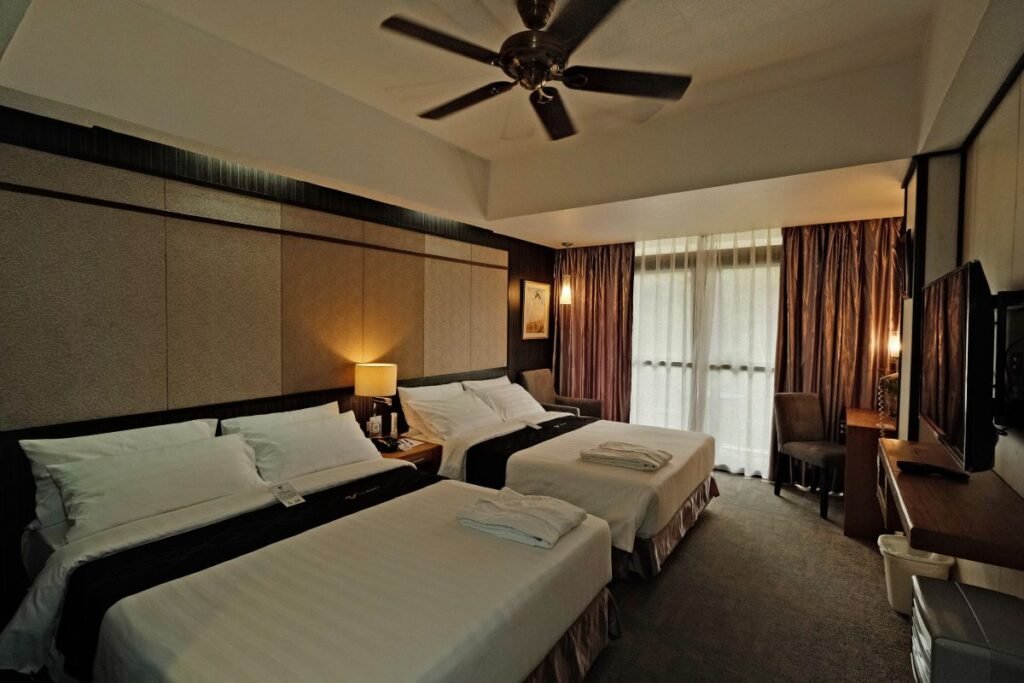
There are also families who return to the same rooms each time, requesting familiar layouts and even specific room numbers as part of their tradition. In some cases, staff already set aside preferred accommodations in advance, anticipating their return based on established patterns.
These recurring visits show a deeper layer of hospitality.
“Many guests come back not just for the location or food, but for the feeling they associate with the hotel,” she said. “That sense of familiarity matters because it shows trust.”
Over time, these patterns of return have become part of the hotel’s identity, less about isolated stays, and more about long-term relationships that evolve with each visit.
Recognition and what comes next
The ASEAN Green Hotel Standard certification adds a formal layer to practices already in place. It places Le Monet within a regional framework that encourages continued progress in sustainability, particularly in areas such as energy use, environmental protection, and community engagement.
For the hotel, the recognition also reinforces its direction moving forward.
“Growth in hospitality should be measured, not just by expansion and number of guests, but by impact,” she said. “We measure success not just by occupancy, but by the kind of experience people take with them. When guests leave feeling rested and cared for, that tells us we are doing things right.”
That perspective brings the story back to a setting defined by landscape and experience working in tandem. At Le Monet, the focus remains on refining that balance, with sustainability acting not as a separate layer, but as part of how the stay itself is experienced.
Not as a reinvention of Baguio hospitality, but as a steady, ongoing way of engaging with it.